Discovering lucrative business opportunities requires a blend of market savvy, strategic planning, and a dash of entrepreneurial spirit. This guide delves into the multifaceted process of identifying unmet needs, evaluating potential ventures, and ultimately building a successful enterprise. From rigorous market research to securing funding and developing a robust business plan, we’ll navigate the key steps to transform an idea into a thriving business.
We’ll explore diverse avenues for funding, including bootstrapping, angel investors, and small business loans, weighing the pros and cons of each approach. Furthermore, we’ll examine crucial aspects of business development, such as brand building, effective marketing strategies, and the significance of ethical practices and social responsibility. The journey to entrepreneurial success is paved with challenges, but with careful planning and a proactive approach, the rewards can be substantial.
Identifying Market Needs
Understanding unmet market needs is crucial for identifying lucrative business opportunities. By focusing on areas where existing solutions fall short or where entirely new solutions are needed, entrepreneurs can create businesses that not only thrive but also solve real problems for consumers. This involves a combination of insightful observation, thorough research, and a keen understanding of consumer behavior.Identifying underserved markets requires a systematic approach.
One effective strategy is to analyze existing market data, identify gaps, and then develop innovative solutions to fill those gaps.
Three Underserved Markets and Business Opportunities
The following examples illustrate three underserved markets with significant potential for business development. These are not exhaustive, and many other opportunities exist depending on technological advancements and evolving consumer preferences.
- Sustainable and Eco-Friendly Products: Consumers are increasingly demanding sustainable and eco-friendly products across various sectors. This presents a significant opportunity for businesses offering biodegradable packaging, ethically sourced materials, and carbon-neutral products. For example, a company specializing in reusable, compostable food containers could capitalize on the growing demand for environmentally conscious alternatives to single-use plastics. The potential for growth is significant, driven by increasing consumer awareness and government regulations promoting sustainability.
- Personalized Healthcare and Wellness: The healthcare industry is ripe for disruption with a focus on personalized solutions. There is a growing demand for customized wellness plans, telemedicine services tailored to individual needs, and technologically advanced health monitoring devices. For instance, a company offering personalized nutrition plans based on genetic testing and lifestyle factors could tap into the booming health and wellness market.
This personalized approach addresses the limitations of one-size-fits-all healthcare solutions.
- Senior-Focused Technology and Services: The aging population presents a significant market opportunity. There is a need for technology and services that cater to the specific needs of older adults, such as user-friendly assistive technology, accessible digital platforms, and age-appropriate entertainment options. A business providing smart home technology tailored for seniors, including fall detection systems and medication reminders, could address significant safety and convenience concerns.
This market is characterized by strong growth potential due to demographic shifts.
Examples of Innovative Solutions Addressing Unmet Consumer Needs
Many businesses have successfully addressed unmet consumer needs by developing innovative products and services. These examples demonstrate the power of identifying and capitalizing on underserved markets.
- Netflix: Netflix revolutionized the entertainment industry by providing on-demand streaming services, addressing the consumer need for convenient and personalized entertainment options. This disrupted the traditional cable television model.
- Uber/Lyft: These ride-sharing services addressed the need for convenient and affordable transportation, particularly in areas with limited public transportation options. This model effectively utilized technology to connect drivers and passengers.
- Blue Apron/HelloFresh: These meal kit delivery services catered to the growing demand for convenient and healthy home-cooked meals, providing pre-portioned ingredients and easy-to-follow recipes. This solved the problem of time constraints and meal planning difficulties for busy individuals.
Method for Conducting Thorough Market Research
Effective market research is essential for identifying profitable niches. A systematic approach ensures that resources are allocated effectively and that the identified opportunity is viable.A comprehensive market research process typically involves:
- Defining the Target Market: Clearly defining the specific demographic, geographic, and psychographic characteristics of the target audience is crucial. This involves analyzing consumer preferences, behaviors, and needs.
- Competitive Analysis: Analyzing the competitive landscape involves identifying existing competitors, their strengths and weaknesses, and their market share. This helps in understanding the competitive dynamics and identifying potential differentiation strategies.
- Market Size and Growth Potential: Estimating the size of the target market and its growth potential provides insights into the overall opportunity and its potential profitability. This can be achieved through various data sources such as industry reports and market research databases.
- Consumer Needs and Preferences: Conducting surveys, focus groups, and interviews helps to understand consumer needs, preferences, and pain points. This information is crucial for developing products and services that meet specific market demands.
- Financial Projections: Developing detailed financial projections, including revenue forecasts, cost estimates, and profitability analysis, helps to assess the financial viability of the business opportunity. This step involves realistic assumptions and thorough financial modeling.
Evaluating Business Ideas
Developing a successful business requires careful evaluation of potential ideas. This involves comparing different concepts, assessing their feasibility, and creating a framework for projecting their financial viability. A thorough assessment minimizes risk and maximizes the chances of success.
Comparing Three Business Ideas
This section compares three distinct business ideas: a mobile coffee cart, a subscription box service for pet owners, and a freelance graphic design business. Each is analyzed based on potential profitability and risk.
| Business Idea | Profitability Potential | Risk Level |
|---|---|---|
| Mobile Coffee Cart | High, depending on location and demand. High profit margins on individual sales can lead to significant revenue with high volume. | Moderate. Requires significant initial investment, competition from established coffee shops, and susceptibility to weather conditions. |
| Pet Subscription Box | Medium to High. Recurring revenue from subscriptions provides stability, but customer acquisition and retention are crucial. | Medium. Competition in the pet industry is fierce, requiring strong marketing and unique product offerings. Logistics and shipping costs can also be significant. |
| Freelance Graphic Design | Medium to High. Potential for high income with established clientele, but income can fluctuate depending on project availability. | Low to Moderate. Lower startup costs than the other options, but requires strong marketing and networking to secure clients. Competition is high, necessitating a unique skillset and portfolio. |
Feasibility Analysis of Business Ideas
The feasibility of each business idea depends on various factors including market competition and resource requirements.The mobile coffee cart’s feasibility hinges on securing a high-traffic location with limited competition and managing operational costs effectively. A thorough market analysis identifying the local coffee market’s saturation point and consumer preferences is critical. Resources needed include a suitable cart, coffee equipment, supplies, and permits.The pet subscription box’s feasibility relies on identifying a niche market within the pet industry, securing reliable suppliers, and building a strong brand presence.
The competition is intense, so a unique value proposition (e.g., specializing in a specific pet breed or offering highly curated boxes) is necessary. Resources include product sourcing, packaging, marketing, and a robust e-commerce platform.The freelance graphic design business’s feasibility depends on building a strong portfolio, actively networking, and effectively marketing services. While startup costs are low, sustained success demands continuous skill development and adaptability to market trends.
Resources include design software, a professional website, and marketing materials.
Framework for Assessing Business Viability
A comprehensive framework for assessing business viability should incorporate market analysis, competitive analysis, financial projections, and risk assessment.A crucial element is developing detailed financial projections, including startup costs, operating expenses, revenue forecasts, and profitability analysis. For example, a three-year financial model projecting revenue, costs, and profit for each business idea would provide valuable insights. This model should consider various scenarios (best-case, worst-case, and most likely) to understand potential risks and rewards.
Sensitivity analysis, examining how changes in key variables (e.g., sales price, cost of goods sold) impact profitability, is also essential. This framework helps determine if the potential returns justify the risks and resources involved.
Securing Funding

Securing funding is a crucial step in launching any new business venture. The right funding strategy can significantly impact your growth trajectory and overall success. Choosing the appropriate funding source depends heavily on factors such as your business model, risk tolerance, and long-term goals. Let’s explore some key options.
Bootstrapping
Bootstrapping involves funding your business primarily through personal savings, revenue generated from sales, and loans from friends and family. This method offers complete control and avoids diluting ownership, but it can limit growth potential due to restricted capital. Successful bootstrapping often requires meticulous financial planning, efficient resource management, and a strong focus on profitability from the outset. Many successful startups, particularly in the tech sector, have initially relied on bootstrapping before seeking external investment.
For example, the early stages of companies like Patagonia relied heavily on founder investment and reinvestment of profits.
Angel Investors
Angel investors are high-net-worth individuals who invest their personal capital in early-stage companies. They often provide seed funding in exchange for equity, offering valuable mentorship and industry connections alongside financial support. Securing angel investment typically involves crafting a compelling business plan, demonstrating a strong team, and clearly articulating the potential for significant returns. The process is competitive, requiring a strong pitch and a proven track record, if possible.
Companies like Airbnb initially benefited from angel funding that allowed them to scale their operations rapidly.
Venture Capital
Venture capital firms invest in high-growth potential businesses, typically at later stages of development than angel investors. They invest larger sums of money in exchange for significant equity stakes and actively participate in the management of the business. Securing venture capital requires a robust business plan, a proven market need, and a strong management team. The rigorous due diligence process involves detailed financial projections and an assessment of the market opportunity.
Companies like Uber received substantial venture capital funding that fuelled their rapid expansion and global dominance.
Small Business Loans
Small business loans are offered by banks and credit unions, providing access to capital for various business needs. Eligibility criteria vary depending on the lender, but generally include a strong credit history, a detailed business plan, and collateral to secure the loan. The application process involves submitting financial statements, tax returns, and a comprehensive business plan outlining the intended use of the funds.
The terms and conditions, including interest rates and repayment schedules, are determined based on creditworthiness and the loan amount. Many small businesses rely on these loans for initial setup costs or expansion efforts.
Comparison of Funding Options
| Funding Source | Equity Stake | Control | Terms & Conditions |
|---|---|---|---|
| Bootstrapping | None | Complete | Self-funded; limited by personal resources |
| Angel Investors | Partial | Shared | Equity exchange; mentorship provided; potential for future rounds of funding |
| Venture Capital | Significant | Shared; active involvement | Large investments; strict performance metrics; potential for significant returns but also high risk |
| Small Business Loans | None (debt financing) | Complete | Interest payments; repayment schedule; collateral required |
Business Development Strategies
Successfully launching a business requires more than just a great idea and funding; it necessitates a robust plan for growth and customer acquisition. This involves building a strong brand identity, cultivating valuable relationships, and implementing a comprehensive marketing strategy that leverages both digital and traditional channels.Building a strong brand and attracting customers requires a multifaceted approach. It’s about more than just creating a logo; it’s about crafting a consistent message and experience that resonates with your target audience.
This includes defining your unique selling proposition (USP), carefully considering your brand’s voice and visual identity, and consistently delivering on your brand promise.
Brand Building and Customer Attraction
A strong brand acts as a magnet, drawing in customers and fostering loyalty. This involves creating a compelling brand narrative that highlights your company’s values, mission, and unique offerings. Think of companies like Apple, known for their sleek designs and user-friendly products, or Patagonia, recognized for its commitment to environmental sustainability. These brands have cultivated strong identities that resonate deeply with their target markets.
Consistent messaging across all platforms, from website to social media, is critical to reinforcing this brand identity and ensuring a cohesive customer experience. Furthermore, providing excellent customer service and actively soliciting and responding to feedback helps build trust and loyalty.
Networking and Relationship Building
Networking is not just about collecting business cards; it’s about building genuine relationships with individuals and organizations within your industry. These connections can lead to valuable partnerships, mentorship opportunities, and access to new markets. Attending industry events, joining professional organizations, and actively participating in online communities are all effective ways to expand your network. Building rapport with potential clients, suppliers, and other stakeholders can open doors to collaborations and mutually beneficial opportunities.
For instance, a small bakery might partner with a local coffee shop to offer their pastries, creating a synergistic relationship that benefits both businesses.
Marketing Plan: Digital and Traditional Methods
A comprehensive marketing plan should incorporate both digital and traditional methods to reach the widest possible audience. Digital marketing offers targeted advertising through platforms like Google Ads and social media, allowing for precise audience segmentation and measurable results. Content marketing, such as blog posts and informative videos, can establish your company as a thought leader and attract organic traffic to your website.
Traditional methods, such as print advertising, public relations, and direct mail marketing, can complement digital efforts and reach segments of the population that may not be as active online. A successful marketing plan will involve careful analysis of your target audience, the selection of appropriate channels, and the development of compelling messaging that resonates with your customers. For example, a local restaurant might use social media to promote daily specials and run print ads in community newspapers to reach a broader audience.
Tracking key performance indicators (KPIs) such as website traffic, conversion rates, and social media engagement is crucial to measure the effectiveness of your marketing campaigns and make data-driven adjustments.
Business Ethics and Social Responsibility
Building a successful business isn’t solely about profit maximization; it’s also about operating ethically and responsibly. Integrating ethical considerations and a commitment to social responsibility is crucial for long-term sustainability and building a positive brand reputation. This section explores the importance of ethical business practices and their impact on overall success.Ethical dilemmas are inherent in many business decisions.
Understanding these challenges and implementing proactive solutions is vital for maintaining integrity and trust. Ignoring ethical considerations can lead to significant reputational damage, legal repercussions, and ultimately, business failure.
Potential Ethical Dilemmas and Solutions for Maintaining High Ethical Standards
Maintaining high ethical standards requires a proactive approach to identifying and addressing potential conflicts. Companies should establish clear ethical guidelines, provide comprehensive ethics training for employees, and create mechanisms for reporting and investigating ethical violations. This includes fostering a culture of open communication where employees feel comfortable raising concerns without fear of retaliation.
- Conflict of Interest: A situation where personal interests conflict with professional duties. Solution: Establish clear conflict of interest policies, requiring disclosure and recusal when necessary.
- Whistleblowing: Reporting unethical or illegal activities within an organization. Solution: Implement confidential reporting systems that protect whistleblowers from retaliation.
- Data Privacy: Protecting sensitive customer data. Solution: Adhere to data privacy regulations (e.g., GDPR, CCPA) and implement robust data security measures.
- Environmental Sustainability: Minimizing the environmental impact of business operations. Solution: Adopt sustainable practices, reduce carbon footprint, and invest in environmentally friendly technologies.
The Importance of Corporate Social Responsibility and Its Impact on Business Success
Corporate Social Responsibility (CSR) encompasses a company’s commitment to operating ethically and contributing positively to society. It’s more than just complying with laws; it involves actively engaging in initiatives that benefit stakeholders, including employees, customers, communities, and the environment. CSR initiatives can enhance brand reputation, attract and retain talent, improve customer loyalty, and boost investor confidence, all contributing to increased profitability and long-term success.
Companies that demonstrate a genuine commitment to CSR often experience improved stakeholder relationships and enhanced brand value. For example, Patagonia’s commitment to environmental sustainability has resonated strongly with consumers, strengthening their brand loyalty and driving sales.
Examples of Businesses with Successfully Integrated Ethical Practices
Several companies have successfully integrated ethical practices into their operations, demonstrating the positive impact on business success.
- Patagonia: Known for its commitment to environmental sustainability, fair labor practices, and philanthropy. Their focus on ethical sourcing and responsible manufacturing has enhanced their brand image and customer loyalty.
- Unilever: Has implemented a Sustainable Living Plan, focusing on improving health and well-being, reducing environmental impact, and enhancing livelihoods. This commitment has led to increased brand trust and improved financial performance.
- Microsoft: Has invested significantly in diversity and inclusion initiatives, promoting ethical AI development, and addressing cybersecurity threats. These efforts have improved employee morale and strengthened their reputation as a responsible corporate citizen.
Business Coaching and Mentorship
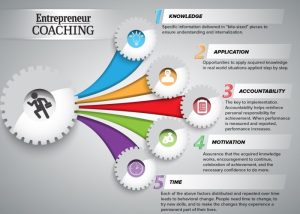
Navigating the complexities of entrepreneurship can be challenging. Seeking guidance from experienced professionals through business coaching or mentorship offers invaluable support and significantly increases the likelihood of success. A coach provides structured guidance and accountability, while a mentor shares their wisdom and experience, acting as a sounding board and advisor. Both roles are crucial for navigating the hurdles of starting and growing a business.The benefits of engaging a business coach or mentor are substantial.
A skilled coach can help entrepreneurs develop a clear vision, define actionable goals, and create a strategic plan to achieve them. Mentorship provides access to a network of contacts and resources, often opening doors that would otherwise remain closed. Ultimately, both coaching and mentorship accelerate growth, reduce risks, and improve the overall chances of business success.
Benefits of Business Coaching and Mentorship
Business coaching provides structured support, helping entrepreneurs refine their business skills, improve decision-making, and overcome obstacles. Mentorship, on the other hand, offers a more personalized approach, drawing on the mentor’s lived experience to guide the entrepreneur. For example, a seasoned entrepreneur might mentor a newcomer, sharing insights on securing funding, managing teams, or navigating challenging market conditions. This personalized approach fosters growth and accelerates learning.
The combination of both approaches often proves most effective.
Qualities of an Effective Business Coach and How to Find One
An effective business coach possesses a blend of skills and experience. They should be a strong listener, capable of understanding the entrepreneur’s unique challenges and aspirations. They must also possess strong analytical skills to help identify areas for improvement and develop tailored strategies. Furthermore, an effective coach is results-oriented, providing constructive feedback and holding the entrepreneur accountable for their goals.
Finding a suitable coach often involves researching online directories, networking within industry groups, or seeking recommendations from other entrepreneurs. It’s crucial to schedule consultations to assess compatibility and ensure the coach’s expertise aligns with the entrepreneur’s needs.
How Mentorship Helps Overcome Challenges and Accelerates Business Growth
Mentorship provides a valuable sounding board for entrepreneurs facing difficult decisions. A mentor’s experience allows them to anticipate potential pitfalls and offer guidance based on past successes and failures. For instance, a mentor might help an entrepreneur navigate a difficult negotiation with a supplier or advise on strategic partnerships. This personalized guidance reduces the risk of costly mistakes and accelerates the learning curve.
Mentorship also expands the entrepreneur’s network, opening doors to new opportunities and collaborations. Access to a mentor’s contacts and resources can significantly enhance the business’s growth trajectory. The invaluable network and experience of a mentor can significantly reduce the time it takes to overcome obstacles and achieve growth.
Business Models and Strategies
Choosing the right business model is crucial for success. A well-defined model provides a framework for generating revenue, managing resources, and scaling operations. Understanding the nuances of different models allows entrepreneurs to select the approach best suited to their product, target market, and long-term goals.Different business models cater to various needs and market dynamics. A thorough comparison helps entrepreneurs make informed decisions aligned with their business vision and capabilities.
Comparison of Business Models: Subscription, Freemium, and Affiliate Marketing
Subscription, freemium, and affiliate marketing represent distinct approaches to revenue generation. Subscription models offer ongoing access to a product or service for a recurring fee. Freemium models provide a basic service for free, while charging for premium features or functionalities. Affiliate marketing involves earning commissions by promoting other businesses’ products or services.
| Feature | Subscription | Freemium | Affiliate Marketing |
|---|---|---|---|
| Revenue Generation | Recurring subscriptions | Premium features/upgrades | Commissions on sales |
| Customer Acquisition | Marketing focused on value and long-term benefits | Attracting users with free offerings, converting to paid | Building relationships with influencers and driving traffic |
| Customer Retention | High importance; requires ongoing value delivery | Moderate; relies on user satisfaction and premium features | Dependent on ongoing promotion and affiliate partnerships |
Detailed Description of the Subscription Business Model
The subscription business model relies on recurring revenue streams generated from customers paying for ongoing access to a product or service. This model is particularly effective for businesses offering digital content, software, or services requiring regular updates or maintenance. Examples include Netflix for streaming video, Adobe Creative Cloud for software applications, and SaaS (Software as a Service) providers like Salesforce.Strengths of the subscription model include predictable revenue streams, increased customer loyalty through ongoing engagement, and the opportunity to upsell or cross-sell additional products or services.
Weaknesses include customer churn (cancellation of subscriptions), the need for consistent value delivery to retain subscribers, and the potential for pricing sensitivity among customers.
SWOT Analysis of the Subscription Business Model
A SWOT analysis provides a structured framework for evaluating the internal and external factors influencing the success of a business model.
| Category | Factor | Description | Example |
|---|---|---|---|
| Strengths | Predictable Revenue | Consistent income stream allows for better financial planning. | A gym with monthly memberships can reliably budget based on recurring fees. |
| Weaknesses | High Customer Churn | Losing subscribers can significantly impact revenue. | A streaming service losing subscribers due to competition or price increases. |
| Opportunities | Upselling/Cross-selling | Offering additional products or services to existing subscribers. | A music streaming service offering higher-quality audio for an extra fee. |
| Threats | Increased Competition | New entrants and existing competitors can challenge market share. | A new streaming service entering the market with a lower price point. |
Business Travel and its Impact
Business travel, while demanding and sometimes costly, remains a crucial component of many successful businesses. Its impact extends far beyond simply attending meetings; it significantly influences networking, relationship building, and ultimately, a company’s bottom line. Understanding how to optimize business travel is key to maximizing its benefits and mitigating its drawbacks.Business travel facilitates invaluable networking and relationship building opportunities.
Face-to-face interactions foster stronger connections than virtual ones, leading to more effective collaborations and long-term partnerships.
Strategies for Cost Minimization and Effectiveness Maximization in Business Travel
Effective business travel requires a strategic approach to both cost control and productivity enhancement. Failing to plan meticulously can lead to unnecessary expenses and wasted time, undermining the overall return on investment.
- Careful Trip Planning: Thorough research, including comparing flight and accommodation prices across various platforms, selecting cost-effective transportation options, and scheduling meetings efficiently, can significantly reduce travel expenses. For example, booking flights and accommodations well in advance often results in lower prices. Choosing less expensive but equally suitable accommodation options can also save significant funds.
- Leveraging Technology: Utilizing video conferencing for certain meetings can significantly reduce the need for travel, saving on flight, accommodation, and associated costs. However, the impact of face-to-face meetings on relationship building must be carefully considered before making this decision.
- Negotiating Favorable Rates: Companies can negotiate corporate discounts with airlines, hotels, and car rental agencies to reduce travel costs. Building strong relationships with travel providers can lead to better deals and more personalized service.
- Optimizing Schedules: Efficient scheduling is crucial. Clustering meetings in a single location to minimize travel time and expenses can improve overall efficiency. This approach can also minimize the time away from the office, reducing potential productivity loss.
Impact of Business Travel on Productivity and Profitability
The impact of business travel on productivity and profitability is multifaceted. While travel expenses represent a direct cost, the potential benefits in terms of increased sales, stronger partnerships, and enhanced team cohesion can significantly outweigh these costs.The positive impact on productivity and profitability is directly linked to successful networking and relationship building. Stronger relationships with clients and partners lead to increased sales, new business opportunities, and improved project collaboration.
For instance, a face-to-face meeting can resolve a complex issue much faster than a series of emails, saving time and resources. Furthermore, team-building activities during business travel can strengthen collaboration and boost morale, leading to increased productivity upon return to the office.
Effective business travel is not just about getting from point A to point B; it’s about maximizing the return on investment in terms of both time and money.
Ultimately, the path to finding and capitalizing on business opportunities involves a proactive, well-researched, and ethically sound approach. By carefully assessing market needs, developing a comprehensive business plan, securing appropriate funding, and implementing effective business development strategies, aspiring entrepreneurs can significantly increase their chances of success. Remember that continuous learning, adaptation, and a commitment to ethical business practices are crucial for long-term viability and growth in today’s dynamic business landscape.
FAQ Compilation
What are some common mistakes entrepreneurs make when seeking business opportunities?
Common mistakes include insufficient market research, unrealistic financial projections, neglecting competition analysis, and failing to develop a comprehensive business plan.
How important is networking when finding business opportunities?
Networking is crucial. It provides access to valuable information, potential investors, mentors, and collaborators, significantly increasing the chances of identifying and capitalizing on opportunities.
What resources are available to help entrepreneurs find business opportunities?
Numerous resources exist, including government agencies (like the SBA), online business directories, industry publications, trade shows, and business incubators/accelerators.
How can I protect my business idea from being copied?
While complete protection is difficult, securing patents, trademarks, and copyrights for your intellectual property can offer significant legal protection.