Navigating the complex world of business requires a strong ethical compass. This guide delves into the core principles of business ethics, exploring their historical evolution, practical applications, and the potential consequences of ethical lapses. We’ll examine how ethical considerations impact business development, decision-making, and stakeholder relationships, offering insights and case studies to illustrate best practices and potential pitfalls.
From defining core values and designing ethical codes to navigating ethical dilemmas and implementing effective policies, we provide a framework for fostering a culture of integrity and responsibility within any organization. We’ll analyze various ethical frameworks, explore real-world examples of both ethical successes and failures, and equip you with the tools to make informed ethical choices in your business endeavors.
Defining Business Ethics Principles
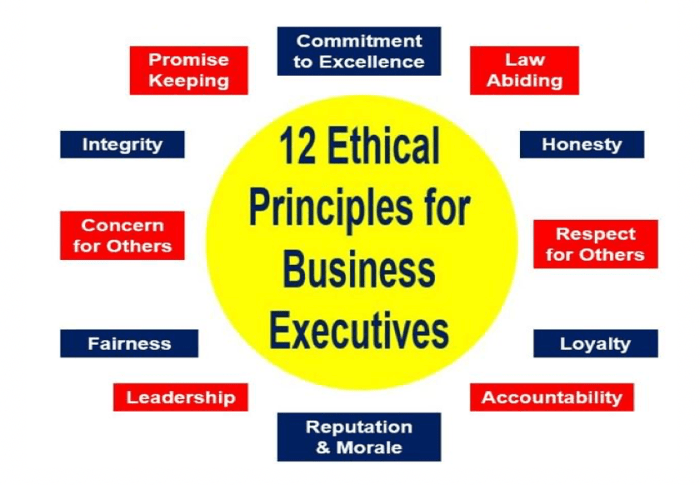
Business ethics principles provide a framework for making morally sound decisions in the commercial world. They guide companies and individuals in navigating complex situations, ensuring fair and responsible conduct in all business operations. This framework extends beyond mere legal compliance, encompassing a commitment to values that foster trust, integrity, and sustainability.Core Values Underpinning Ethical Business PracticesEthical business practices are rooted in a set of fundamental values.
These values serve as the moral compass, guiding decision-making and shaping a company’s culture. Central among these are honesty, integrity, fairness, respect, responsibility, and transparency. Honesty ensures truthful communication in all dealings. Integrity demands consistency between words and actions, upholding ethical standards even when faced with pressure. Fairness promotes equitable treatment of all stakeholders, avoiding discrimination and bias.
Respect acknowledges the inherent dignity and worth of every individual involved in business activities. Responsibility emphasizes accountability for actions and their consequences. Finally, transparency ensures open and honest communication, promoting trust and accountability. Deviation from these core values can lead to significant reputational damage, legal repercussions, and loss of stakeholder confidence.
Historical Evolution of Business Ethics
The concept of business ethics has evolved significantly over time. Early business practices often lacked formal ethical guidelines, prioritizing profit maximization above all else. The late 19th and early 20th centuries witnessed the rise of progressive movements advocating for fair labor practices and consumer protection, leading to increased regulatory oversight. The mid-20th century saw a growing awareness of social responsibility, with companies beginning to consider the broader impact of their operations on society and the environment.
The latter part of the 20th and early 21st centuries have been marked by increased globalization and stakeholder activism, demanding greater transparency and accountability from businesses. The current state of business ethics is characterized by a greater emphasis on sustainability, corporate social responsibility (CSR), and ethical sourcing, driven by both regulatory pressures and consumer demand for ethical products and services.
For example, the rise of fair trade certifications demonstrates a growing consumer preference for ethically sourced goods.
Ethical Frameworks Applicable to Businesses
Several ethical frameworks can guide business decisions. Utilitarianism, for example, focuses on maximizing overall happiness and well-being, considering the consequences of actions on all stakeholders. Deontology, on the other hand, emphasizes moral duties and rules, regardless of the consequences. Virtue ethics centers on developing virtuous character traits, such as honesty and integrity, to guide ethical behavior. Stakeholder theory emphasizes the importance of considering the interests of all stakeholders, including employees, customers, suppliers, and the community.
Each framework offers a unique perspective, and businesses may adopt a combination of these frameworks to guide their ethical decision-making processes. The choice of framework often depends on the specific context and the values of the organization.
Hypothetical Code of Ethics for a Small Startup Company
A hypothetical code of ethics for a small startup might include the following principles:* Commitment to Honesty and Transparency: We will conduct all our business dealings with honesty and transparency, providing accurate and complete information to all stakeholders.
Respect for Employees
We are committed to creating a fair and inclusive workplace that values diversity, respects individual rights, and provides equal opportunities for all employees.
Fair Dealing with Customers
We will treat our customers fairly and honestly, providing high-quality products and services that meet their needs.
Ethical Sourcing
We will source our materials and products ethically, ensuring fair labor practices and environmental sustainability throughout our supply chain.
Environmental Responsibility
We are committed to minimizing our environmental impact and promoting sustainable business practices.
Compliance with Laws and Regulations
We will comply with all applicable laws and regulations in the jurisdictions where we operate.
Accountability
We will take responsibility for our actions and their consequences, ensuring accountability throughout the organization.This code, while hypothetical, illustrates the key elements that should be included in a comprehensive ethical framework for any business, regardless of size. Regular review and updates are crucial to ensure the code remains relevant and effective.
Business Ethics and Development
Ethical business practices are not merely a matter of compliance; they are a cornerstone of sustainable growth and long-term success. A strong ethical foundation fosters trust with stakeholders – customers, employees, investors, and the community – leading to increased loyalty, improved reputation, and ultimately, enhanced profitability. Conversely, unethical behavior can severely damage a company’s image, erode consumer confidence, and result in significant financial losses.Ethical considerations significantly influence business development strategies.
Companies that prioritize ethical conduct often attract and retain top talent, fostering a more productive and innovative workforce. This commitment also strengthens relationships with suppliers and partners, leading to more reliable and efficient supply chains. Furthermore, ethical practices can open doors to new markets and investment opportunities, as consumers and investors increasingly favor businesses with strong ethical reputations.
Ethical Practices and Business Growth: Illustrative Examples
Patagonia, a leading outdoor apparel company, consistently demonstrates a commitment to environmental sustainability and fair labor practices. Their dedication to ethical sourcing, responsible manufacturing, and environmental activism has not only enhanced their brand image but also contributed to their considerable financial success. Similarly, Unilever, a multinational consumer goods company, has integrated sustainability into its core business strategy, focusing on initiatives such as reducing its environmental footprint and promoting ethical sourcing.
This commitment has strengthened their brand reputation and fostered consumer loyalty. These examples highlight how a strong ethical compass can be a powerful driver of business growth.
Risks Associated with Unethical Business Practices
Unethical business practices carry significant risks, ranging from reputational damage and financial penalties to legal repercussions and loss of consumer trust. Examples include instances of fraud, bribery, environmental damage, and exploitation of workers. These actions can lead to substantial fines, legal battles, and a decline in market share. Furthermore, negative publicity surrounding unethical conduct can severely damage a company’s reputation, making it difficult to attract investors, partners, and top talent.
The long-term consequences of unethical behavior can be devastating, far outweighing any short-term gains.
Case Study: The Impact of Ethical Dilemmas on Business Development
Consider a hypothetical scenario involving a pharmaceutical company developing a life-saving drug. The company faces a dilemma: release the drug at a high price, maximizing profits but limiting accessibility, or release it at a lower price, ensuring wider access but reducing profit margins. Choosing the former could lead to accusations of prioritizing profit over human well-being, damaging the company’s reputation and potentially facing governmental scrutiny.
Opting for the latter could impact short-term profits, but it would foster a positive brand image, strengthening trust with consumers and potentially attracting socially conscious investors. This case study illustrates the complex interplay between ethical considerations and business development decisions, demonstrating that prioritizing ethics can lead to long-term success, even if it requires short-term sacrifices.
Business Ethics in Specific Areas
Ethical considerations permeate every aspect of the business world, extending beyond general principles to specific areas of operation. Understanding these nuances is crucial for maintaining integrity and fostering sustainable growth. This section will explore the ethical dimensions of several key business domains.
Ethical Considerations in Business Coaching
Business coaching, while aiming to improve performance, carries ethical responsibilities. Coaches must maintain client confidentiality, avoid conflicts of interest (e.g., recommending services they profit from), and ensure their methods are aligned with professional standards and legal regulations. Transparency regarding fees and the coaching process is paramount. A breach of confidentiality, for instance, could severely damage a client’s reputation and trust.
Similarly, undisclosed conflicts of interest undermine the coach’s credibility and impartiality.
Ethical Challenges in Securing Business Loans
Securing business loans involves navigating a complex ethical landscape. Applicants must present accurate financial information, avoiding misrepresentation or omission of crucial details. Lenders, in turn, have an ethical obligation to assess applications fairly and transparently, avoiding discriminatory practices and ensuring loan terms are reasonable and understandable. Providing false information on a loan application, for example, is fraudulent and carries significant legal and ethical consequences.
Similarly, predatory lending practices, such as charging excessively high interest rates or imposing unfair fees, are unethical and potentially illegal.
Ethical Considerations Related to a Business Model’s Design
The design of a business model itself presents ethical choices. Considerations include the environmental impact of operations, fair treatment of employees and suppliers, and the potential societal consequences of the product or service offered. For example, a business model heavily reliant on unsustainable practices, like excessive resource consumption or the generation of significant pollution, raises significant ethical concerns.
Similarly, a business model that exploits low-wage workers or engages in unfair competition is ethically problematic.
Ethical Implications of Various Business Strategies
Various business strategies carry ethical implications. Aggressive pricing strategies, while potentially profitable, may be deemed unethical if they involve predatory pricing or stifle competition. Similarly, strategies focused solely on maximizing shareholder value at the expense of employee welfare or environmental sustainability are ethically questionable. For example, a company that prioritizes short-term profits by cutting corners on safety or environmental regulations faces significant ethical and legal repercussions.
Conversely, a company that invests in employee training and development, while potentially reducing short-term profits, demonstrates a commitment to ethical business practices.
Ethical Responsibilities of Companies During Business Travel
Companies have ethical responsibilities to their employees during business travel. This includes ensuring safe travel arrangements, providing appropriate accommodation, and addressing potential health and safety concerns. Furthermore, companies should encourage ethical and responsible behavior during travel, such as respecting local customs and avoiding activities that could negatively impact the environment or local communities. Failure to provide adequate safety measures during business travel, for example, could lead to serious injuries or even fatalities, resulting in significant ethical and legal liabilities.
Similarly, promoting environmentally damaging practices during business travel, such as excessive carbon emissions, conflicts with corporate social responsibility initiatives.
Implementing Ethical Business Practices
Implementing ethical business practices is not merely a matter of compliance; it’s a strategic imperative that fosters trust, enhances reputation, and drives long-term sustainability. A robust ethical framework, effectively integrated into all aspects of the business, is crucial for navigating complex challenges and ensuring responsible growth. This section Artikels a practical approach to embedding ethical considerations into daily operations.
A Step-by-Step Guide for Implementing Ethical Policies
Establishing and implementing ethical policies requires a systematic approach. The process should be iterative, allowing for adjustments based on feedback and evolving circumstances. This step-by-step guide provides a framework for building a strong ethical foundation within any organization.
- Conduct a thorough ethical assessment: This involves identifying potential ethical risks and vulnerabilities within the organization, analyzing existing policies and procedures, and gauging the current ethical climate.
- Develop a comprehensive code of ethics: This document should clearly articulate the organization’s values, principles, and expectations regarding ethical conduct. It should be concise, easily understandable, and readily accessible to all employees.
- Establish an ethics committee or officer: This dedicated group will oversee the implementation and enforcement of the code of ethics, investigate ethical breaches, and provide guidance to employees.
- Provide comprehensive ethics training: Training should cover the code of ethics, relevant laws and regulations, and practical scenarios that illustrate ethical dilemmas. Regular refresher courses are essential to maintain awareness and understanding.
- Establish a confidential reporting mechanism: Employees must have a safe and accessible channel to report ethical concerns without fear of retaliation. This could be a dedicated hotline, email address, or online portal.
- Enforce the code of ethics consistently: Consequences for ethical violations should be clearly defined and fairly applied, regardless of the employee’s position or seniority.
- Regularly review and update policies: The ethical landscape is constantly evolving, so policies and procedures should be reviewed and updated periodically to reflect changes in laws, regulations, and best practices.
Ethical Considerations Checklist for Business Decisions
Before making any significant business decision, a thorough review of ethical implications is crucial. This checklist can help ensure all relevant factors are considered.
- Legal Compliance: Does the decision comply with all applicable laws and regulations?
- Fairness and Equity: Does the decision treat all stakeholders fairly and equitably?
- Transparency and Accountability: Is the decision transparent and accountable to all stakeholders?
- Environmental Impact: What is the environmental impact of the decision, both short-term and long-term?
- Social Responsibility: What is the social impact of the decision on the community and society at large?
- Conflicts of Interest: Does the decision create any potential conflicts of interest?
- Data Privacy: Does the decision protect the privacy and security of personal data?
- Stakeholder Impact: How will the decision affect all stakeholders (employees, customers, suppliers, shareholders, community)?
Integrating Ethical Considerations into Daily Business Operations
Integrating ethical considerations into daily business operations requires a cultural shift, embedding ethical decision-making into all aspects of work. This includes fostering open communication, promoting a culture of responsibility, and providing regular ethical guidance.
Effective Communication Strategies to Promote Ethical Conduct
Effective communication is vital for fostering an ethical workplace. Strategies include: regular updates from leadership on ethical priorities; clear and consistent messaging about ethical expectations; open forums for discussing ethical dilemmas; and using multiple communication channels (meetings, emails, intranet) to ensure broad reach and understanding. Sharing real-life examples of ethical decision-making (both positive and negative) can be particularly impactful.
An Employee Training Program on Ethical Business Practices
A comprehensive training program should incorporate interactive workshops, case studies, and role-playing exercises. The program should cover the company’s code of ethics, relevant laws and regulations, and practical scenarios that illustrate ethical dilemmas. Regular refresher courses ensure that employees remain up-to-date on ethical best practices and company policies. The training should also emphasize the importance of reporting ethical concerns and the protection afforded to whistleblowers.
Ethical Dilemmas and Decision-Making
Navigating the complex world of business often involves confronting ethical dilemmas, situations where choosing between two or more morally sound options presents significant challenges. These dilemmas require careful consideration and a structured approach to ensure ethical conduct and maintain a positive business reputation. Understanding the common dilemmas, available resolution approaches, and effective decision-making models is crucial for responsible business leadership.
Common Ethical Dilemmas in Business
Businesses frequently encounter situations demanding difficult ethical choices. Examples include conflicts of interest, where personal gain might compromise professional obligations; issues surrounding data privacy and security, particularly with the increasing reliance on technology; dilemmas related to environmental sustainability and responsible resource management; and challenges involving fair labor practices and employee well-being, including issues of compensation, working conditions, and diversity and inclusion.
Consider a pharmaceutical company facing a choice between releasing a life-saving but expensive drug and prioritizing affordability; or a manufacturing company grappling with the decision to invest in environmentally friendly but more costly production processes. These illustrate the complex nature of ethical dilemmas in real-world business contexts.
Approaches to Resolving Ethical Conflicts
Several approaches exist for resolving ethical conflicts within a company. These include fostering a strong ethical culture through clear codes of conduct and robust training programs. Establishing a dedicated ethics committee or ombudsman program provides a neutral platform for reporting and resolving ethical concerns. Open communication and transparent decision-making processes help build trust and encourage ethical behavior.
Furthermore, mediation and conflict resolution strategies can facilitate productive discussions and mutually acceptable solutions when disagreements arise. A company committed to ethical practices would implement a combination of these methods to address conflicts proactively and fairly.
Ethical Decision-Making Models
Various models assist in navigating ethical dilemmas. The Utilitarian approach prioritizes maximizing overall benefit and minimizing harm, considering the consequences of actions for all stakeholders. The Deontological model emphasizes adherence to moral duties and principles, irrespective of outcomes. Virtue ethics focuses on developing moral character and integrity. The stakeholder approach considers the interests of all affected parties—employees, customers, suppliers, communities, and shareholders—in decision-making.
Each model offers a unique perspective, and a blended approach, drawing on the strengths of several models, is often most effective in complex situations.
Stakeholder Engagement in Ethical Decision-Making
Engaging stakeholders is vital for ethical decision-making. By actively seeking input from all affected parties, businesses can gain a broader understanding of the potential consequences of their actions and ensure decisions reflect diverse perspectives. Transparent communication, active listening, and opportunities for feedback are crucial for building trust and fostering collaborative decision-making. This inclusive approach enhances the legitimacy and fairness of ethical decisions, minimizing potential conflicts and promoting a more responsible business approach.
Ignoring stakeholder perspectives risks damaging reputation and eroding trust.
A Framework for Analyzing Ethical Dilemmas
A systematic approach is essential for analyzing ethical dilemmas. A useful framework might include: (1) Identifying the ethical issue and stakeholders involved; (2) Gathering relevant facts and information; (3) Considering alternative courses of action and their potential consequences; (4) Evaluating the ethical implications of each alternative using different ethical frameworks; (5) Choosing a course of action and justifying the decision; (6) Implementing the chosen course of action and monitoring its consequences; and (7) Evaluating the effectiveness of the response and making adjustments as needed.
This framework provides a structured approach to ensure thorough consideration of all aspects of an ethical dilemma.
Case Studies
Case studies offer valuable insights into how ethical principles play out in real-world business scenarios. Examining both successful and unsuccessful navigations of ethical crises allows us to learn from past experiences and develop more robust ethical frameworks for the future. By analyzing these examples, we can better understand the complexities of ethical decision-making and the significant impact ethical choices have on a company’s reputation, profitability, and overall sustainability.
Johnson & Johnson’s Tylenol Crisis Response
In 1982, Johnson & Johnson faced a devastating ethical crisis when several people died after consuming Tylenol capsules that had been tampered with and laced with cyanide. The company’s response, however, is widely considered a textbook example of ethical leadership during a crisis. Instead of prioritizing profit, Johnson & Johnson immediately initiated a massive recall of all Tylenol capsules nationwide, costing the company millions of dollars.
They prioritized public safety and transparency, cooperating fully with law enforcement investigations and communicating openly with consumers and the media. This proactive and ethical approach, despite the significant financial losses, ultimately preserved the Tylenol brand and solidified Johnson & Johnson’s reputation for integrity and consumer trust. The company later introduced tamper-resistant packaging, further demonstrating its commitment to public safety.
The Volkswagen Emissions Scandal
In stark contrast to Johnson & Johnson’s response, Volkswagen’s handling of its emissions scandal stands as a cautionary tale. Volkswagen engineers intentionally programmed their diesel vehicles to cheat on emissions tests, concealing the true level of harmful pollutants emitted. This deliberate deception violated environmental regulations and betrayed the trust of consumers. The consequences were severe. Volkswagen faced billions of dollars in fines and legal settlements, a significant drop in sales and brand reputation, and lasting damage to its corporate image.
The company’s failure to prioritize ethical conduct and transparency resulted in widespread distrust and significant long-term damage to its business. The scandal highlighted the devastating consequences of prioritizing short-term profits over ethical considerations and long-term sustainability.
Case Study Summary Table
| Company Name | Ethical Dilemma | Response | Outcome |
|---|---|---|---|
| Johnson & Johnson | Tampered Tylenol capsules resulting in deaths | Immediate nationwide recall, transparent communication, introduction of tamper-resistant packaging | Preserved brand reputation, solidified consumer trust, long-term brand loyalty |
| Volkswagen | Deliberate emissions test cheating | Initial denial and cover-up, eventual admission and costly settlements | Billions in fines, damaged brand reputation, significant loss of sales and consumer trust |
Visual Representation of Ethical Frameworks
Visual representations can significantly aid in understanding and applying business ethics principles. They offer a clear and concise way to navigate complex ethical dilemmas and illustrate the interconnectedness of various ethical considerations within a business context. Using visual aids enhances comprehension and facilitates effective communication of ethical frameworks.
Ethical Dilemma Decision-Making Flowchart
This flowchart guides decision-makers through a systematic process for resolving ethical dilemmas. It begins with identifying the ethical issue. Next, it involves gathering relevant facts and considering the stakeholders involved. The decision-maker then evaluates the situation against various ethical frameworks, such as utilitarianism, deontology, and virtue ethics, weighing the potential consequences of each possible action. This evaluation leads to the selection of the most ethical course of action, followed by implementation and monitoring of the outcome.
Finally, the process includes a review and reflection stage to learn from the experience and improve future decision-making. The flowchart would be organized in a linear fashion, with each stage clearly labeled and connected to the next using arrows. Decision points would be indicated with diamonds, and actions with rectangles.
Mind Map Illustrating Interconnectedness of Business Ethics, Development, and Stakeholder Relationships
The central node of this mind map would be “Business Ethics.” Branching out from this central node would be three main branches representing: “Business Development,” “Stakeholder Relationships,” and “Ethical Frameworks.” The “Business Development” branch would include sub-branches detailing aspects like strategic planning, innovation, growth, and sustainability. The “Stakeholder Relationships” branch would include sub-branches for employees, customers, suppliers, investors, communities, and government, illustrating how ethical considerations impact each group.
The “Ethical Frameworks” branch would detail the different ethical theories and principles used to guide decision-making, such as utilitarianism, deontology, and virtue ethics. Lines connecting these branches would show the intricate relationships between business ethics, development strategies, and the needs and expectations of stakeholders. For example, a line would connect “Sustainable Business Practices” (under Business Development) to “Environmental Concerns” (under Stakeholder Relationships – Community), demonstrating how sustainable practices impact the community’s perception of the business’s ethical stance.
The mind map’s structure visually highlights the synergistic relationship between these elements, emphasizing that ethical considerations are integral to successful business development and positive stakeholder relationships.
Ultimately, strong business ethics are not merely a matter of compliance; they are a cornerstone of sustainable growth and long-term success. By understanding and embracing ethical principles, businesses can build trust with stakeholders, enhance their reputation, and create a positive impact on society. This guide provides a foundation for navigating the ethical complexities of the business world, encouraging a commitment to integrity and responsible decision-making at every level.
Popular Questions
What is the difference between ethics and law?
While laws are legally binding rules, ethics are moral principles that guide behavior. Something can be legal but unethical, or illegal but ethical (depending on one’s moral framework).
How can I foster an ethical culture in my company?
Lead by example, develop a clear code of ethics, provide ethics training, establish reporting mechanisms for ethical concerns, and consistently enforce ethical standards.
What are some common ethical dilemmas in business?
Common dilemmas include conflicts of interest, bribery, discrimination, data privacy violations, and misleading advertising.
How can I handle an ethical conflict at work?
Consult your company’s ethics policy, speak to a supervisor or HR representative, and consider seeking external advice if necessary. Document everything.